

RUIRU 11
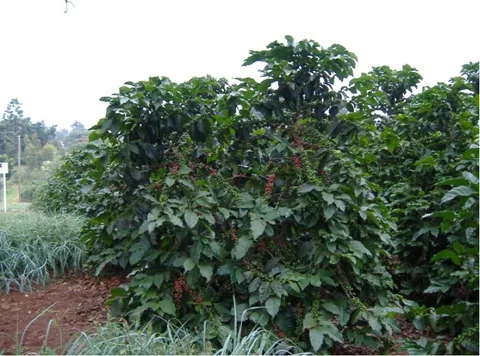
Ruiru 11 is a high-yielding, dwarf hybrid Arabica coffee variety developed in Kenya. Released in 1985 by the Coffee Research Institute in Ruiru, it is celebrated for its strong resistance to Coffee Berry Disease (CBD) and Coffee Leaf Rust
Close
Key Characteristics
- High Density & Dwarf Size-Its compact size allows farmers to plant up to 1,000–2,500 trees per hectare, significantly higher than the 1,330 trees per hectare for traditional, taller varieties.
- Early Maturity: Unlike conventional varieties that take up to 3 years, Ruiru 11 can begin producing cherries within 1.5 to 2.5 years.
- Disease Resistance: It is highly resistant to Coffee Berry Disease and Coffee Leaf Rust, which lowers the need for chemical spraying and reduces overall input costs.
Sl 28
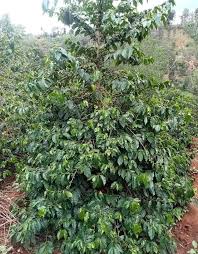
SL-28 is one of the most celebrated and genetically influential Arabica coffee varieties in the world. It was developed in Kenya in the 1930s by the Scott Agricultural Laboratories (hence the prefix “SL”), a colonial-era research institution tasked with identifying and cultivating high-performing coffee varieties for East Africa.
Close
Key Characteristics
- Flavor Profile: Highly prized in specialty coffee for its outstanding sweetness, citrusy or berry-like acidity, and heavy, wine-like body.
- Growth Traits: Tall trees with deep root systems, which allow the plant to withstand dry spells and maximize scarce water resources.
- Harvest: Known for excellent, high yields and medium-late ripening cherries.
Batian
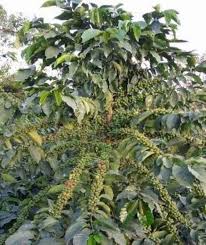
Batian is a high-yielding, disease-resistant coffee variety developed by the Coffee Research Institute (CRI) in Ruiru, Kenya, and released in 2010. Named after the highest peak on Mt. Kenya, it is celebrated for its excellent cup quality, large bean size (frequently yielding "AA" grades), and resistance to both Coffee Berry Disease (CBD) and Coffee Leaf Rust (CLR)
Close
Key Characteristics
- Disease Resistance: Batian offers high resistance to both Coffee Leaf Rust and Coffee Berry Disease, which can reduce chemical production costs by up to 30%.
- Yield & Maturity: It is an early-maturing variety that typically begins producing cherries in its second year. It features high, consistent yields.
- Growth Habit: The plant grows tall with long internodes. Unlike some hybrids, it is an open-pollinated (true-breeding) variety, which allows farmers to save and propagate seeds.
Our process
-

1
Coffee harvesting
Coffee harvesting is the process of collecting ripe coffee cherries from coffee plants. Since coffee cherries do not all ripen at the same time, careful selection is essential to maintain high-quality coffee. Only fully ripe, deep-red cherries should be picked, while green, overripe, or damaged cherries should be avoided. After harvesting, the coffee cherries are transported to the wet mill, where they undergo careful sorting to remove unripe, overripe, damaged, and foreign materials. The properly sorted cherries are then processed to remove the pulp and prepare the coffee beans for the subsequent stages of washing, fermentation, drying, and grading
-
2
Processing
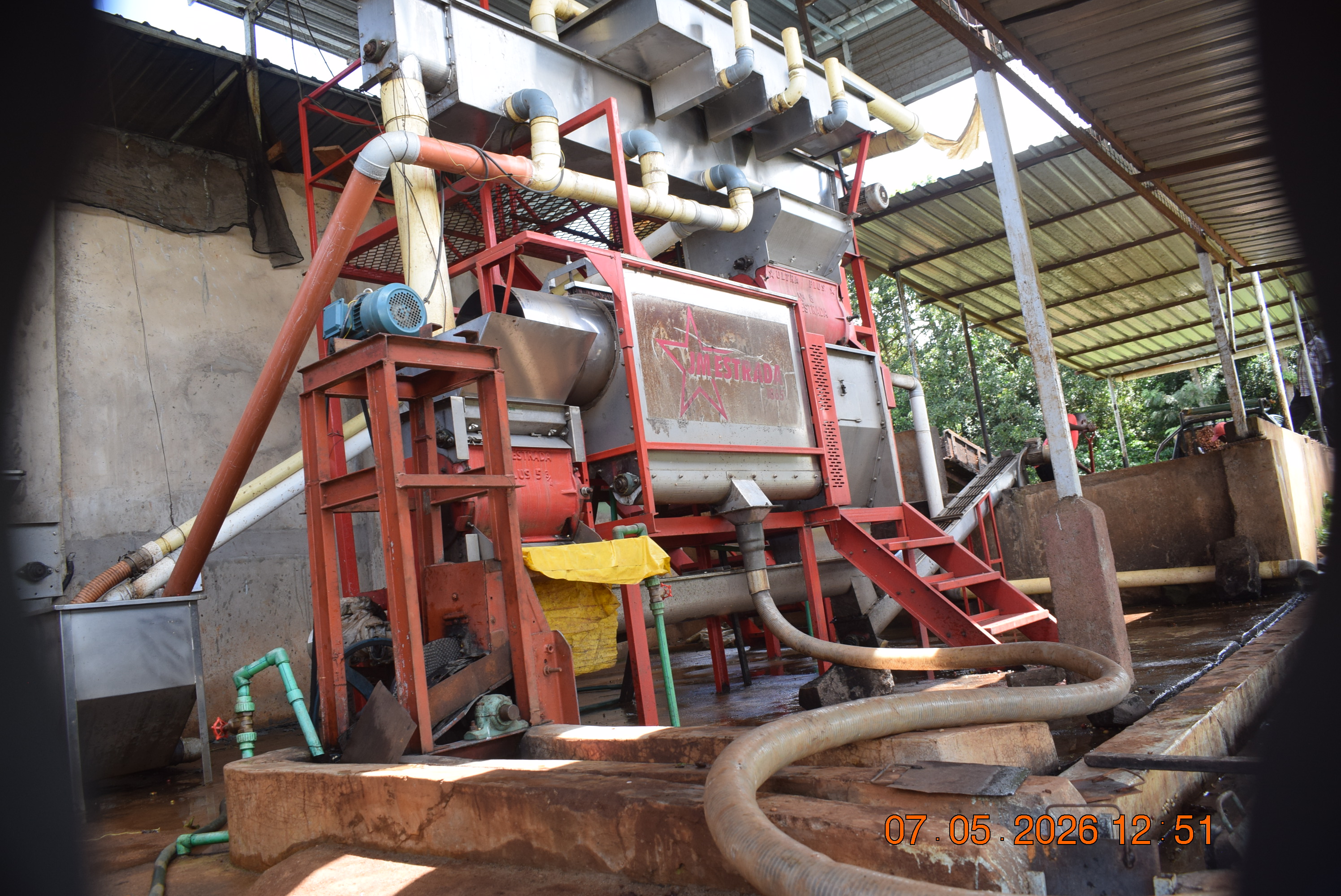
Washed (Wet) Process: The cherry pulp is mechanically removed using a depulper. The remaining sticky mucilage is broken down through natural fermentation in water tanks (12–48 hours), then rinsed away. This yields a clean, bright, and highly acidic cup.Natural (Dry) Process: The freshly picked cherries are spread out whole on raised African drying beds or patios. They dry in the sun with the fruit intact, which imparts a heavy body and sweet, fruity notes to the final brew.Honey (Pulped Natural) Process: The cherry skin is removed, but the sticky mucilage is left on the bean during the drying phase. It balances the clarity of washed coffee with the syrupy sweetness.
-

3
Drying
Raised Drying Beds: The most common and recommended method, particularly in regions like Kenya. Mesh platforms elevated off the ground promote excellent airflow and protect the beans from ground moisture and dirt.Patio Drying: Spreading beans in a thin layer over clean, flat concrete or brick surfaces. This is cost-effective but requires careful monitoring and constant raking to ensure even drying.Mechanical Dryers & Solar Tunnels: Enclosed or machine-driven systems that offer high precision, speed up the process, and protect beans from adverse weather and rain
-
4
Sorting & Grading
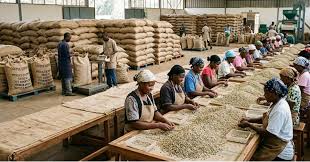
Sorting and grading is an important stage in coffee processing that determines the quality, consistency, and market value of the final product. Sorting and grading coffee beans involves classifying green beans by size, shape, density, and color, and manually or mechanically removing defects. This critical process ensures a consistent roast and eliminates bitter, off-tasting beans, directly determining the coffee's quality and market value.
-
5
Transportation for Roasting
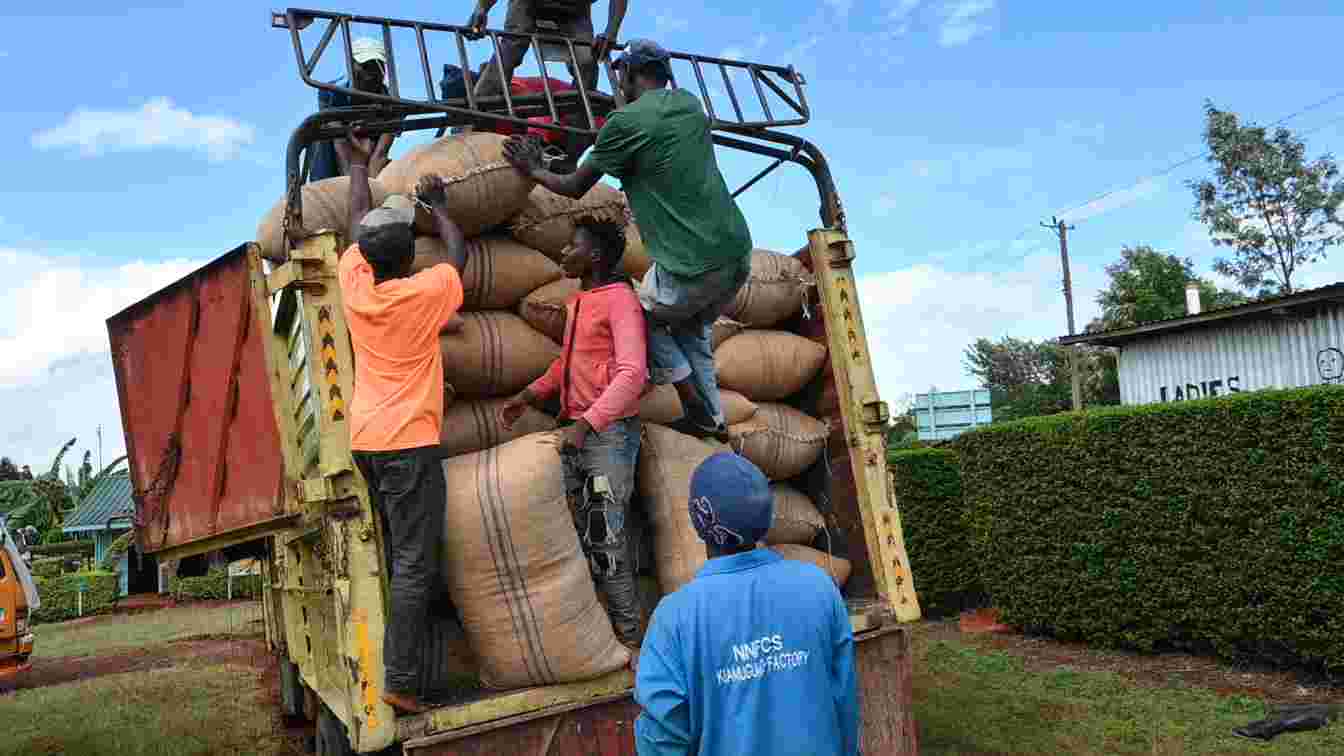
Coffee transportation and marketing cover the vital logistics and sales channels that move beans from wet mills to consumers. These interrelated stages determine a coffee’s quality, traceability, and final profitability
Do’s & Don’ts
Healthy Farming, Better Future
H
e
a
l
t
h
y
F
a
r
m
i
n
g
,
B
e
t
t
e
r
F
u
t
u
r
e
Committed to eco-friendly & chemical
free farming practices.